
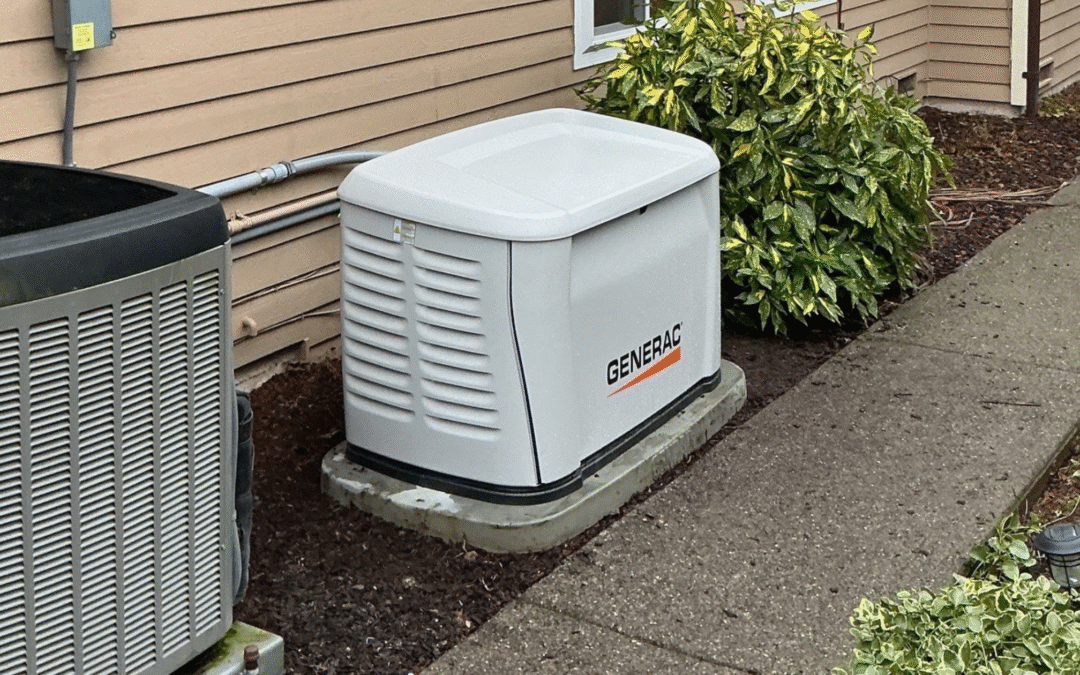
How to Choose the Right Size Generator for Your Home

How to Choose the Right Size Generator for Your Home

When it comes to choosing a standby generator, one of the biggest misconceptions is that bigger is always better. While it might seem like the safest option, an oversized generator can cost more than necessary, while an undersized one may not be able to power the things you need most during an outage.

The right generator isn’t determined by guesswork or your home’s square footage alone. It’s based on your home’s unique electrical demands and what you want to keep running when the power goes out. Here’s what to consider before choosing a generator for your home.

Start by Deciding What You Want to Power

The first question isn’t, “What size generator do I need?” It’s, “What do I want my generator to do?”

For some homeowners, the goal is simply to keep the essentials running until power is restored. That might include:

  • Refrigerator and freezer
  • Furnace or heat pump
  • Well pump
  • Internet router
  • Medical equipment
  • A few lights and outlets

This type of setup typically requires a smaller generator because it’s only supporting the circuits you rely on most.

Others prefer the convenience of whole-home backup power. A properly sized whole-home generator can keep life moving almost as normal by powering systems like:

  • Heating and cooling
  • Kitchen appliances
  • Laundry equipment
  • Electric water heater
  • Home office equipment
  • TVs and entertainment systems

The more equipment you want operating at the same time, the more power your generator will need to provide.

Understand Running Watts vs. Starting Watts

Another important factor is understanding that appliances don’t all use electricity the same way.

Every appliance requires running watts, which is the amount of power needed to keep it operating. However, many appliances with electric motors also require starting watts, which is a brief surge of additional power needed when they first turn on.

Items like air conditioners, refrigerators, well pumps, and sump pumps often have significantly higher startup demands than their normal operating requirements.

Because of this, simply adding together the wattage listed on your appliances doesn’t always provide an accurate picture of how much power your generator needs to produce. A generator must be able to handle those temporary startup surges while continuing to power everything else that’s already running.

Every Home Has Different Electrical Needs

Even two homes with similar square footage can have very different power requirements.

Several factors influence the size of generator that’s appropriate for your home, including:

  • The size of your home
  • The number of people living there
  • Whether your major appliances use electricity or natural gas
  • Your HVAC system
  • Well pumps or septic systems
  • Electric water heaters
  • Electric vehicle chargers

For example, a home with a gas furnace and gas water heater may require considerably less backup power than a similar-sized home where those systems are fully electric. Likewise, adding an EV charger or larger HVAC system can significantly increase your home’s electrical demand.

That’s why there’s no one-size-fits-all answer to generator sizing.

Why a Professional Load Calculation Matters

Choosing the right generator involves more than estimating how many appliances you own. A professional load calculation evaluates your home’s actual electrical demand to determine the generator size that best fits your needs.

During this process, an electrician looks at factors like your electrical panel, existing circuits, peak electrical usage, and any future plans you may have for your home. The goal isn’t to recommend the biggest generator available, but to recommend the one that provides reliable backup power without paying for more capacity than you’ll realistically use.

Find the Right Generator for Your Home

Every home is different, which means every generator recommendation should be, too. By understanding what you want to power, how your appliances use electricity, and what your home’s overall electrical load looks like, you can choose a generator that keeps your household running when it matters most.

If you’re considering installing a standby generator, our team at Electrical Outfitters NW can evaluate your home’s electrical needs, perform a professional load calculation, and recommend a generator that’s properly sized for your home. With expert installation, you’ll have the confidence of knowing your backup power system is ready whenever the next outage occurs.
RV Outlet Installation: What It Takes to Power Your Camper

RV Outlet Installation: What It Takes to Power Your Camper

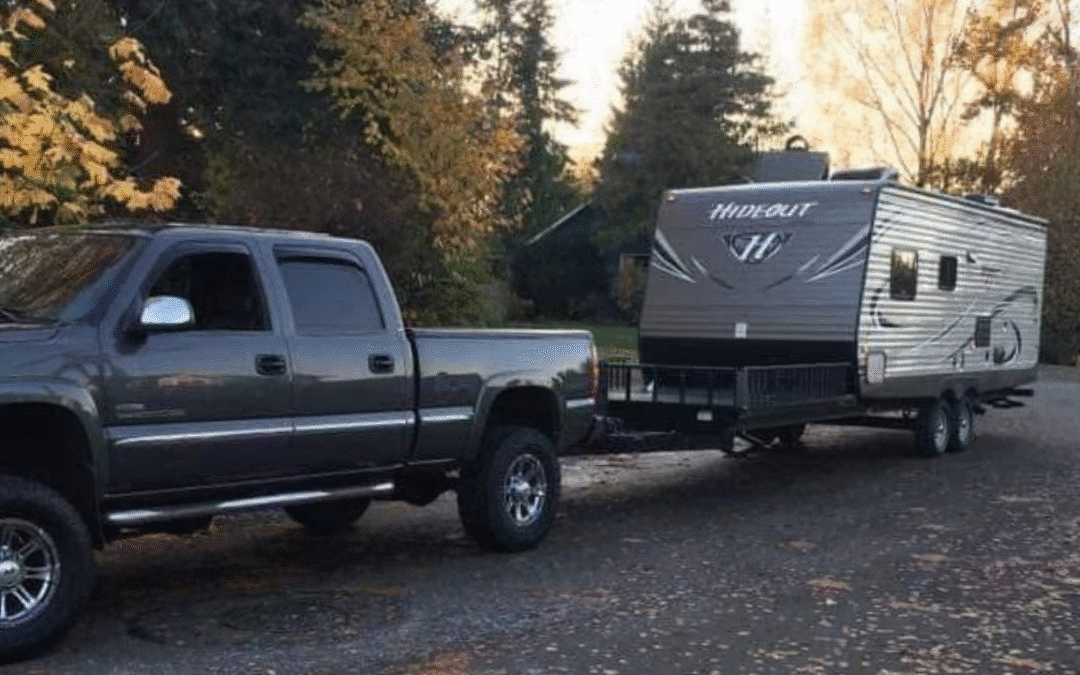
We’re all soaking up the last weeks of summer here in the PNW, and for some people, that means hitting the road for a camping trip near Mount Rainier or further up the coast. As the weather slowly cools down, it’s the perfect time to get outside and enjoy the beauty that’s all around us. 

If you’re getting ready for your next camping trip or simply want an easier way to keep your RV powered at home, installing the right RV outlet is crucial. Don’t assume you can plug your camper into any outdoor outlet with an adapter. That’s often not the safest, or most effective, solution.

Here’s what you should know before installing an RV outlet at your home.

Isn’t a Standard Outdoor Outlet Enough?

A typical outdoor household outlet is designed for everyday items like power tools, holiday lights, or lawn equipment. While adapters exist that allow you to connect an RV to a standard outlet, they’re really intended for very limited use.

If you’re trying to run your air conditioner, microwave, water heater, or multiple appliances inside your RV, a regular outlet won’t provide enough power. At best, you’ll be limited in what you can use. At worst, you could overload the circuit or damage equipment.

If you plan to store your RV at home or use it regularly before trips, installing a dedicated RV outlet is usually the better long-term solution.

Not Every RV Uses the Same Electrical Service

One of the first things an electrician will determine is what type of service your RV requires.

The two most common options are:

  • 30-amp service: Common on many travel trailers and smaller motorhomes. These use a three-prong receptacle that supplies 120 volts.
  • 50-amp service: Typically found on larger fifth wheels and Class A motorhomes. These use a four-prong receptacle and provide significantly more available power.

Installing the wrong outlet can create compatibility issues or prevent your RV from operating properly, so it’s important to match the outlet to your specific camper.

What an RV Outlet Installation Involves

All you have to do is replace an existing receptacle… right? 

In many cases, it’s more involved than that. The installation typically includes:

  • Evaluating your home’s electrical panel to ensure it has enough capacity
  • Installing a dedicated circuit breaker
  • Running appropriately sized wiring from the panel to the outlet location
  • Mounting a weather-resistant outdoor receptacle in a convenient location
  • Testing the circuit to verify that it operates safely

Every home is a little different. The distance from your electrical panel to your parking area, your existing electrical capacity, and the type of RV you’re powering all influence the scope of the project.

Can Your Electrical Panel Handle It?

One question you may not think about is whether your current electrical panel has room for another dedicated circuit.

If your panel is already full or nearing its capacity, you may need to add a subpanel or upgrade your electrical service before installing the RV outlet.

While that sounds like a bigger project, it’s often the safest way to ensure your home can support the additional electrical load without creating future issues. A licensed electrician can easily cross this off your to-do list, so you can get power to your RV sooner rather than later. 

Why Professional Installation Matters

Because RV outlets operate on higher-amperage circuits, they must be properly installed to guarantee safety.

A professionally installed outlet helps ensure:

  • The correct breaker size is used
  • Wiring is properly sized for the circuit
  • Outdoor equipment is weather-rated
  • The installation meets current electrical code
  • Your RV receives reliable, consistent power

This helps protect your home’s electrical system and the expensive electronics and appliances inside your RV.

Planning Ahead Makes Life Easier

Many homeowners decide to install an RV outlet after one too many frustrating experiences dealing with extension cords or limited power before a trip.

Choosing to install a dedicated outlet at home now will make it much easier to:

  • Keep your batteries charged
  • Pre-cool or pre-heat the RV before traveling
  • Run appliances while loading and unloading
  • Perform maintenance and cleaning with full electrical power available

If you use your camper several times a year, you’ll be thankful you decided to go ahead and invest in an RV outlet. 

Need an RV Outlet Installed?

Every home and every camper has different electrical requirements, so having the installation evaluated by a licensed electrician helps ensure everything is sized correctly and installed safely.

At Electrical Outfitters NW, we install dedicated RV outlets for homeowners throughout the Pierce County area. Whether you’re preparing for your next adventure or simply keeping it ready for the road, we’d love to help.


Posted on August 15, 2024 | Published by Ignite Local | Related Local Business


Powering Your Outdoor Kitchen: What You Need to Plan Before You Build

Powering Your Outdoor Kitchen: What You Need to Plan Before You Build

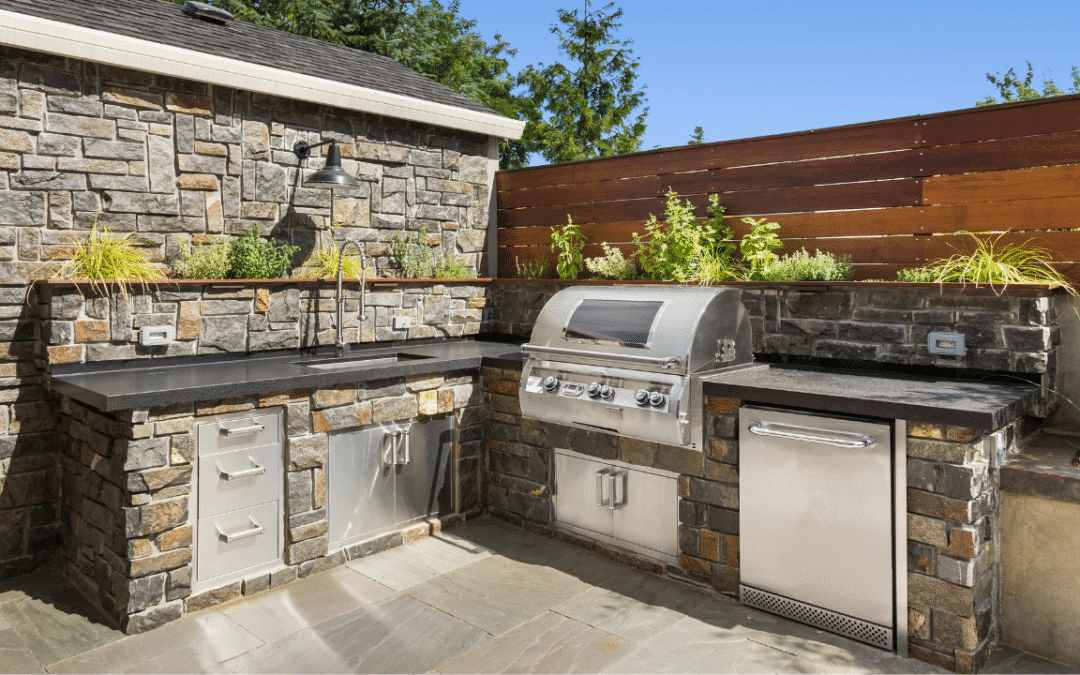
Outdoor kitchens have become one of the most popular home upgrades in recent years. From built-in grills and refrigerators to TVs, patio heaters, and lighting, homeowners are turning their backyards into fully functional entertainment centers.

But one thing many people underestimate is how much electrical planning an outdoor kitchen actually requires.

It’s easy to focus on countertops, appliances, and layout while overlooking the power needs behind everything. Outdoor kitchens use more electricity than homeowners expect, and failing to plan properly can lead to overloaded circuits, inconvenient outlet placement, costly changes mid-project, or safety issues down the road.

Before construction begins, it’s important to think through the electrical side of the project to make sure your outdoor space is safe, functional, and built to last.

Outdoor Kitchens Use More Power Than You May Think

Outdoor kitchens aren’t always a simple grill setup.

Many homeowners are adding features like:

  • Outdoor refrigerators
  • Pellet grills or smokers
  • Pizza ovens
  • Ice makers
  • Outdoor lighting
  • Outdoor TVs
  • Patio heaters
  • Sound systems and speakers
  • Beverage coolers
  • Charging stations and small appliances

Each of these additions increases the electrical demand on your home. Once several appliances are running at the same time, the power usage adds up quickly.

For example, a refrigerator cycling on while a patio heater, grill, lighting system, and television are all running can place a significant load on your electrical system.

That’s why electrical planning should happen before construction starts, not after the patio is already built.

What Needs a Dedicated Circuit?

One of the most important parts of designing an outdoor kitchen is determining which appliances need dedicated circuits.

A dedicated circuit is an electrical line that serves only one appliance or device. This prevents circuits from becoming overloaded and helps reduce the risk of tripped breakers or damaged equipment.

Outdoor appliances like refrigerators, pellet grills, pizza ovens, and patio heaters often require their own circuits because of the amount of power they draw.

This becomes even more important in older homes, where electrical systems may already be operating near capacity.

Without proper circuit planning, homeowners may experience:

  • Frequent breaker trips
  • Flickering lights
  • Overloaded circuits
  • Reduced appliance performance
  • Potential safety hazards

Installing dedicated circuits during construction is far easier and more cost-effective than trying to add them after the outdoor kitchen is complete.

Outdoor Electrical Work Must Meet Code Requirements

Because outdoor electrical systems are exposed to weather and moisture, they must meet strict safety standards.

Outdoor kitchens require special considerations, like:

  • GFCI protection
  • Weather-resistant outlets
  • Proper outdoor-rated wiring methods
  • Waterproof covers and enclosures
  • Correct grounding and bonding
  • Permit and inspection requirements

GFCI (Ground Fault Circuit Interrupter) protection is especially important because it helps prevent electrical shock in wet environments. These outlets automatically shut off power if an unsafe condition is detected.

Outdoor electrical work should never be treated the same as indoor wiring. Improper installation can create serious safety risks and may also fail inspections or violate local code requirements.

Working with a licensed electrician helps ensure the installation is safe, compliant, and built for long-term reliability.

Planning Outlet Placement Early Saves Headaches Later

One of the biggest mistakes homeowners make is not thinking through outlet placement early enough.

Before construction begins, consider how the space will actually function day to day.

Think about:

  • Where food prep will happen
  • Where appliances will sit
  • Seating and entertaining areas
  • Future upgrades or additions
  • Convenience for charging devices or plugging in small appliances

Strategically placing outlets will improve functionality and appearance. Because, let’s be honest, nobody wants extension cords running across a patio during a gathering.

Lighting Makes a Bigger Difference Than You Think

Outdoor lighting plays a major role in both the functionality and atmosphere of an outdoor kitchen.

A well-designed lighting plan can improve safety, visibility, and the overall experience of the space.

Common outdoor kitchen lighting upgrades include:

  • Task lighting for cooking and prep areas
  • Patio and overhead lighting
  • Pathway and step lighting
  • Accent lighting for landscaping or stonework
  • Under-counter or cabinet lighting

Layering different types of lighting helps create a space that feels inviting, but is also practical after sunset.

Can Your Electrical Panel Handle the Extra Demand?

Outdoor kitchens add another layer of electrical demand to your home, and not every electrical panel is prepared to support it.

If your home already has major electrical loads like:

  • EV chargers
  • Hot tubs
  • Heat pumps
  • Workshops or large appliances

…your panel may already be close to capacity.

In some cases, adding an outdoor kitchen may require a panel upgrade or service upgrade to safely handle the additional load.

A licensed electrician can evaluate your current system, determine available capacity, and recommend the safest solution before construction begins.

Planning Ahead Makes the Entire Project Smoother

An outdoor kitchen is a major investment, and proper electrical planning helps protect that investment from unnecessary issues later. Thinking through dedicated circuits, outlet placement, lighting, code requirements, and panel capacity early can save time, reduce costs, and help prevent frustrating changes during construction.

At Electrical Outfitters NW, we help homeowners across Pierce County plan for these details before they become problems. Whether you’re adding a simple outdoor cooking space or building a fully customized backyard setup, our team can help make sure your electrical system is safe, functional, and built to support the way you actually use your space for years to come.


Posted on August 15, 2024 | Published by Ignite Local | Related Local Business


Enhance Your Outdoor Living Space With Patio Heating Installation: See the Benefits in the Gig Harbor Area

Enhance Your Outdoor Living Space With Patio Heating Installation: See the Benefits in the Gig Harbor Area

Once you’ve made the investment in your home with a patio, the next step is to make it more comfortable while also putting your own mark on it. Take your property to the next level with patio heating installation completed by a licensed electrician. Here are just a few ways you’ll benefit.

Expand Outdoor Living Season

With a reliable source of heat on your patio, you’ll be able to start enjoying it earlier every spring and later into every autumn; you’ll even be able to use the patio on mild winter days. Backyard improvements aren’t cheap, and this allows you to get more from your patio.

Make Entertaining Easier

Avoid the hassle of cleaning the house–make your backyard patio the go-to place for gatherings of friends and family. Heating the area lets you socialize into the night without worry about your guests’ discomfort. 

Improve Your Property’s Aesthetic Appeal 

By installing a heat source on your patio for cooler weather, you can also create a cozy and welcoming atmosphere by choosing the model and positioning that delivers maximum visual appeal. 

Greater Cleanliness & Convenience

With a permanently installed heating unit, you can avoid the mess and effort it takes to light a wood fire. With simple controls and no cleanup needed afterward, an outdoor heater gives you all the warmth of a fire and more, with greater ease.

Interested in Patio Heating Installation in the Gig Harbor Area?

Electrical Outfitters NW specializes in patio heating installation, making the process easy and convenient for homeowners who want to elevate their outdoor living space. We’re a leading family-owned electrical contractor with the insight and expertise necessary to make sure all your electrical panel, lighting upgrade, new construction wiring, home rewiring, EV charger installation and backup generator projects not only meet code but also offer the functionality and style you expect. Contact us for a convenient appointment with one of our licensed electricians and make the most of your patio. 

Skilled Patio Heating Installation for Gig Harbor Area Property Owners


Posted on October 31, 2024 | Published by Ignite Local | Related Local Business

Getting a New Hot Tub? Learn Why Spa Wiring Directions Are Best Performed by an Electrician Serving Gig Harbor

Getting a New Hot Tub? Learn Why Spa Wiring Directions Are Best Performed by an Electrician Serving Gig Harbor

If you’re getting your first hot tub or replacing one you’ve enjoyed for years, you’re likely eager for it to be set up and ready to use. And while it may seem like you could carry out spa wiring directions yourself, there are some crucial reasons to trust this task only to a licensed electrician. 

Your Safety Is Most Important

Hiring a licensed electrician ensures your spa is wired safely, following national and local codes. Spas near water require special electrical components like Ground Fault Circuit Interrupters (GFCI) to prevent shock hazards. Proper wiring helps protect you and your family from serious electrical accidents, especially where water is involved.

Maintain Warranty Coverage

DIY electrical work in setting up your spa could void any manufacturer’s warranty coverage. To ensure coverage, always hire a licensed electrician who knows the specific wiring requirements and can provide documentation of the work. 

Meet Homeowners Insurance Requirements

Homeowners insurance policies may require you to prove your new hot tub is wired to code, for which you’ll need an electrician. , DIY In addition, wiring could lead to a denied claim if something goes wrong. 

Need Help with Spa Wiring Directions in Gig Harbor?

At Electrical Outfitters NW, setting up your new hot tub wiring is one of our specialties. As a leading electrical contractor and family-owned business, we’re committed to the safety of your home and family while also ensuring reliable electrical service for your comfort. We have the insight and expertise necessary to make sure all your electrical panel, lighting upgrade, new construction wiring and home rewiring projects are completed to code. Our team also welcomes installation service calls for your backup generators and EV chargers. Don’t take chances with your spa wiring directions. Contact us for a convenient appointment with one of our licensed electricians. 

Our Experienced, Licensed Electricians Ensure Spa Wiring Directions Are Done Right in Gig Harbor


Posted on September 30, 2024 | Published by Ignite Local | Related Local Business